


 Position :
Why Sort White and Clear Paper, Glass, and Plastics Before Shredding?
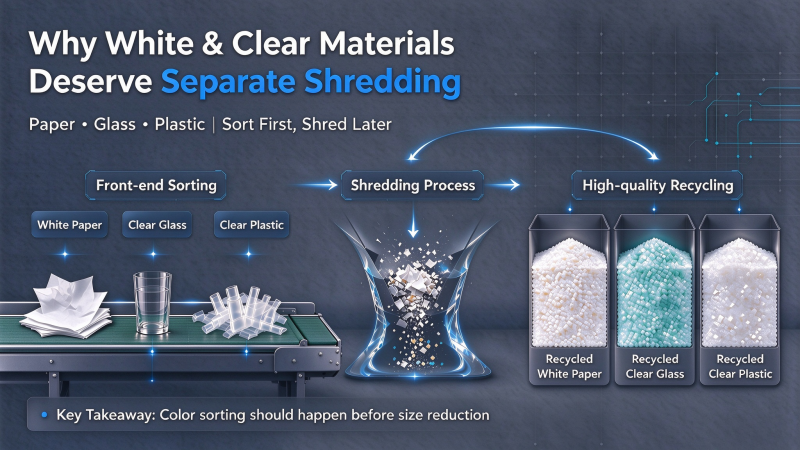
In solid waste recycling, color affects more than the appearance of a material. It can also influence sorting requirements, recycling applications, and market value. For commonly recycled materials such as paper, glass, and plastics, white or clear materials may offer greater value in certain recycling markets. Separating them before shredding can help preserve their recycling potential and reduce the impact of mixing different materials.
Why Does Color Matter in Recycling?
In paper recycling, white paper is often suitable for recycled paper products that require specific color and cleanliness standards. When white paper is mixed with colored paper, dark paper, or other contaminants, additional sorting and processing may be necessary, potentially affecting the appearance of the final recycled product.
For glass recycling, clear glass has a wide range of potential applications. Mixing clear glass with green, amber, or other colored glass may restrict its suitability for certain end uses. Sorting glass by color helps improve the consistency of cullet and can support more efficient downstream recycling.
Color also influences plastic recycling. Transparent or white PET and HDPE, when properly identified and sufficiently clean, may be suitable for recycled products with stricter color requirements. Once mixed with dark or multicolored plastics, the options for achieving a consistent final color may become more limited.
Sorting white and clear materials before shredding helps preserve their color advantages and supports higher-quality material recovery.
Why Sort Materials Before Shredding?
When paper, glass, or plastics of different colors are fed into a shredder without prior sorting, the resulting smaller pieces may become more difficult to separate. This can increase the complexity of downstream sorting and affect the quality of recovered materials. For recycling projects where color consistency matters, appropriate classification before shredding is therefore recommended.
Paper can be sorted according to grade, color, and contamination level. Glass can be classified by color, composition, and impurities, while plastics require identification by polymer type, color, and physical form. Importantly, the same color does not necessarily indicate the same material. Transparent plastics may contain different polymers, so appearance alone is not sufficient to determine the correct recycling process.
UTMACH: Integrating Shredding into an Effective Recycling Process
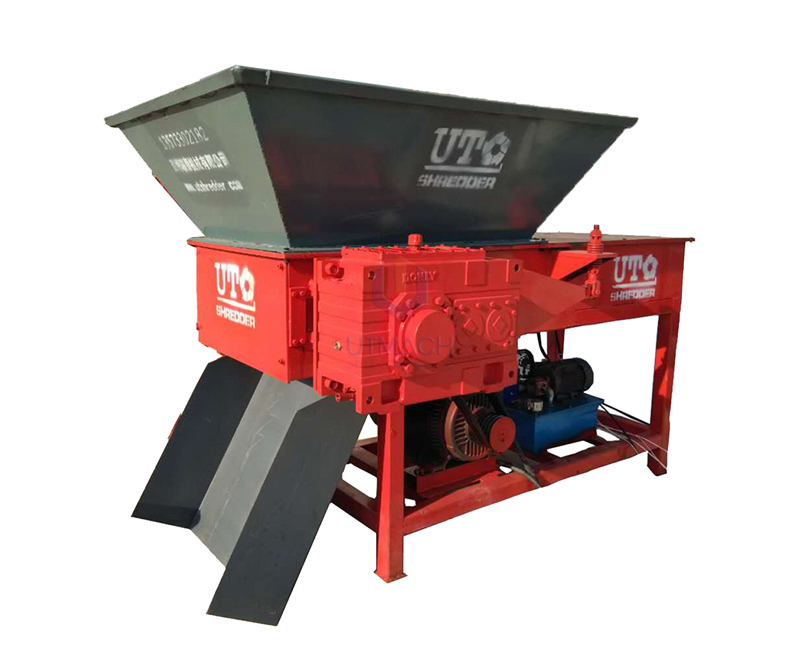
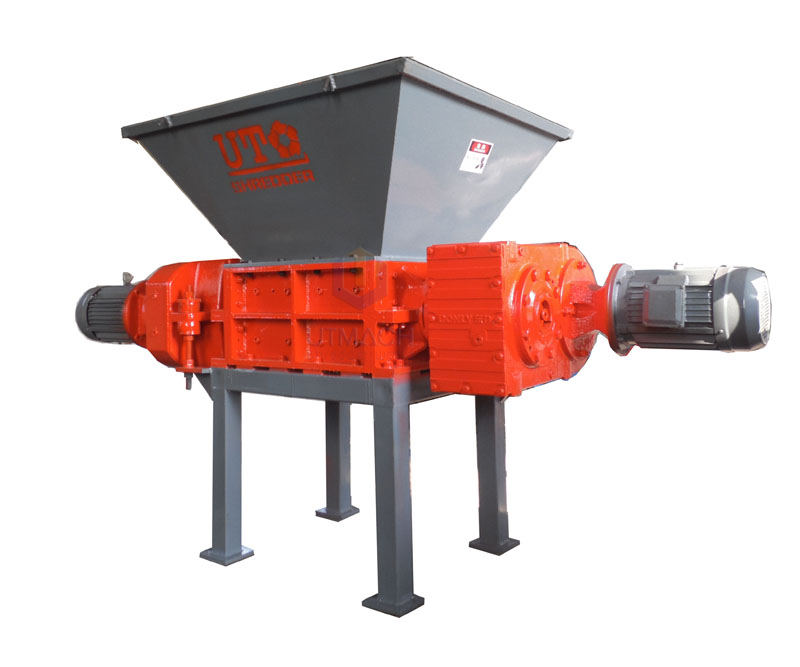
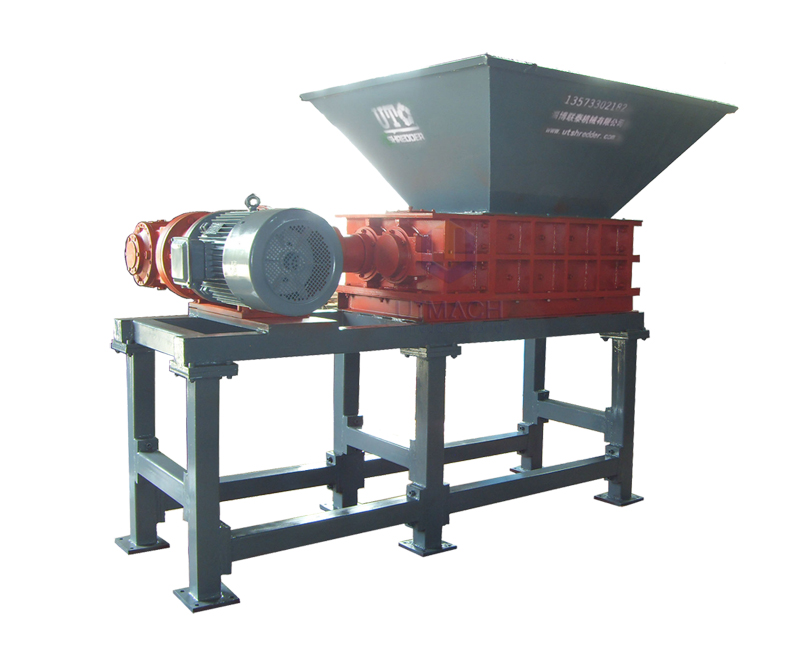
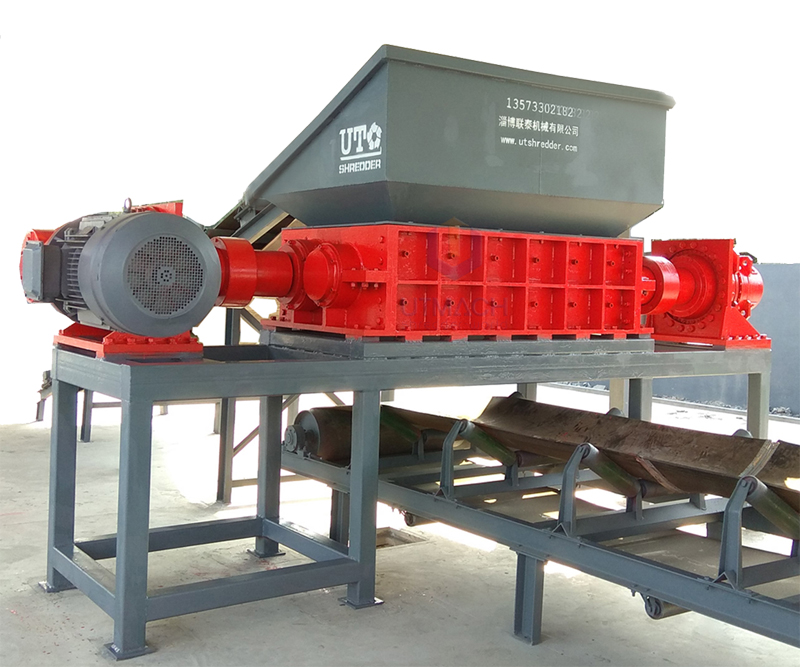
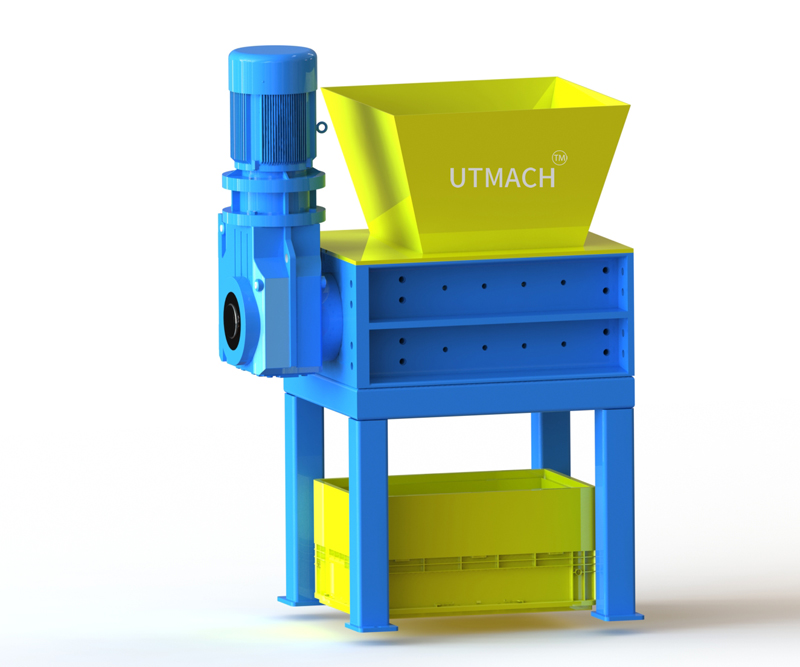
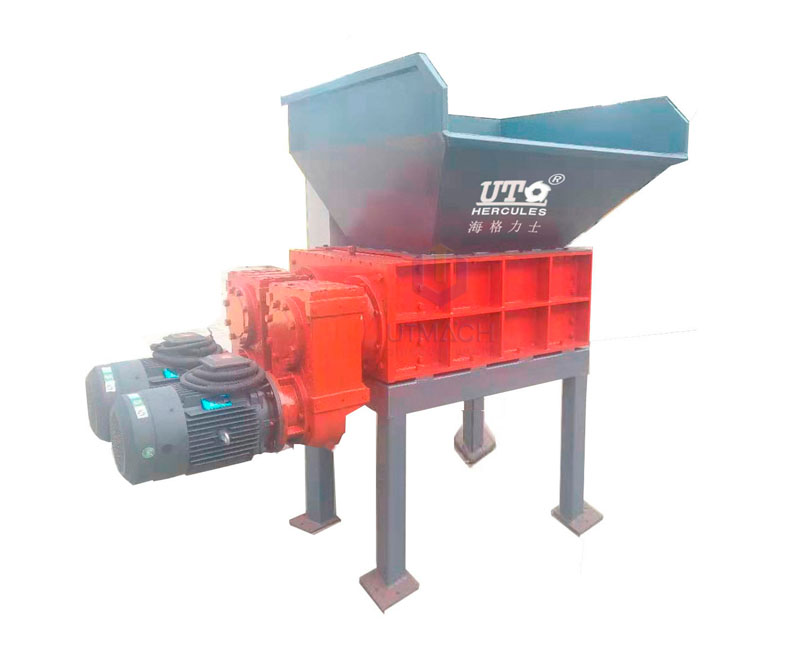
UTMACH specializes in solid waste size reduction and recycling equipment. Depending on material type, dimensions, required throughput, and target output size, suitable shredding equipment can be selected for different recycling applications.
For paper, glass, and plastic recycling projects where color value needs to be preserved, front-end sorting, shredding, and downstream separation should be considered as parts of an integrated process rather than focusing on shredding speed alone.
Combining effective material sorting with a suitable shredding solution helps reduce the mixing of valuable materials and creates a better foundation for separation, recycling, and resource recovery.Understanding material color, composition, and intended end use before selecting equipment helps ensure that the overall process is better suited to the recycling objectives.
If you are looking for shredding equipment for paper, glass, or plastic recycling, or want to optimize the shredding and sorting processes in your existing recycling line, feel free to contact UTMACH. We can recommend suitable shredding equipment and solutions based on your material type, color, processing capacity, and required output size.
Contact Us: info@utmach.com