


 Position :
 Why Are Wastewater Grinders Used in Wastewater Treatment? Working Principle and Selection Guide
In wastewater treatment plants, waterworks, storm pumping stations and inlet channels, water flows may carry textiles, plastics, wood, paper, rubber and other solid debris.
If large solids or fibrous materials enter downstream systems directly, they may affect the normal operation of pumps, pipelines and other equipment.
Therefore, processing large solid debris before wastewater enters downstream treatment stages is an important consideration in wastewater pretreatment.
A Wastewater Grinder is designed for this application. It cuts and reduces solid debris in wastewater into smaller particles, allowing the reduced material to continue with the water flow into downstream treatment processes.
So, what is a wastewater grinder? How does it work? And how should a wastewater grinder be selected for different wastewater treatment projects?
The following sections explain its working principle, typical applications, main types and key selection considerations.
1. What Is a Wastewater Grinder?
A wastewater grinder is a type of equipment used to process solid debris in wastewater and sludge systems.
Rotating cutters cut and reduce larger solid materials into smaller particles, allowing the reduced solids to continue with the water flow into downstream treatment systems.
Depending on the equipment configuration and actual operating conditions, wastewater grinders can be used to process materials such as:
· Textiles and fibrous materials
· Plastics
· Wood and branches
· Paper
· Rubber
· Glass bottles
· Other suitable solid debris
One of the main functions of a wastewater grinder is to reduce the risk of clogging and entanglement caused by large solids and fibrous materials entering downstream pumps and pipelines.
2. How Does a Wastewater Grinder Work?
The basic working process of a wastewater grinder can be summarized as:
Wastewater carrying solid debris enters the equipment → Larger solids are guided toward the cutting area → Rotating cutters cut and grind the solids → Solid size is reduced → Smaller particles continue with the water flow to downstream treatment.
Liantai Machinery wastewater grinders feature low-speed, high-torque designs. Depending on the equipment type, different cutter, drum and installation configurations can be provided.
For wastewater containing large solids, fibrous materials or easily entangled debris, front-end cutting and size reduction can help reduce clogging and entanglement risks in downstream pumps and pipeline systems.
3. Where Are Wastewater Grinders Used?
Wastewater grinders can be applied in various wastewater and water treatment systems. Typical applications include:
1) Wastewater Treatment Plants
Wastewater grinders process solid and fibrous debris entering wastewater systems, helping prepare the flow for downstream treatment equipment.
2) Waterworks
They can be used for front-end treatment of floating materials and other solid debris present in the water.
3) Storm Pumping Stations
Stormwater may carry branches, plastics, textiles and other debris into pumping stations. Wastewater grinders can reduce the size of these solids before they reach downstream equipment.
4) Inlet Channels and Wells
Wastewater grinders can process larger solid debris before the water enters downstream pumping and treatment systems.
Wastewater flow rate, solid composition, installation space and inlet configuration can vary significantly between applications. Therefore, the grinder type and equipment specifications should be selected according to the actual project conditions.
4. What Are the Common Types of Wastewater Grinders?
Wastewater grinders are available in different structures and configurations depending on installation method, wastewater flow rate and operating conditions.
Liantai Machinery mainly provides the following types:
1) Non-Drum Grinder
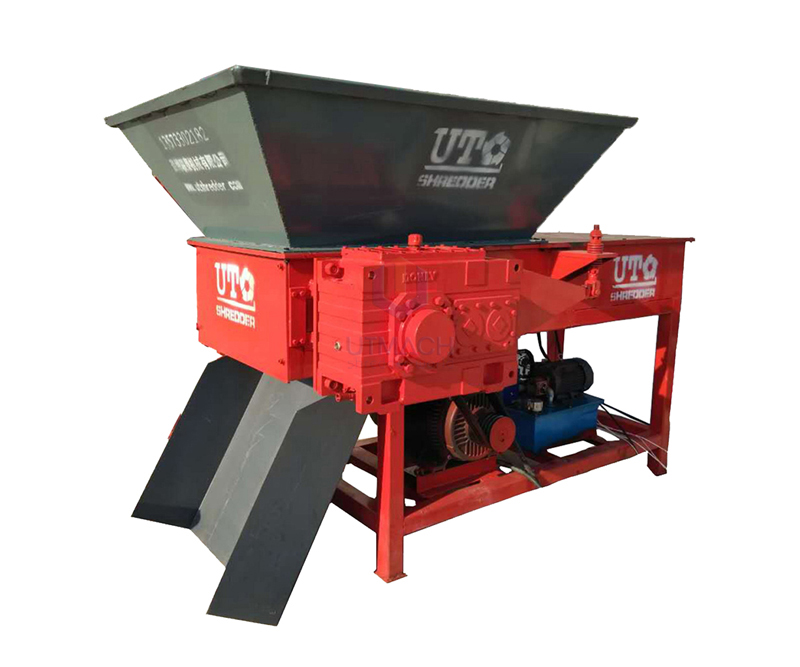
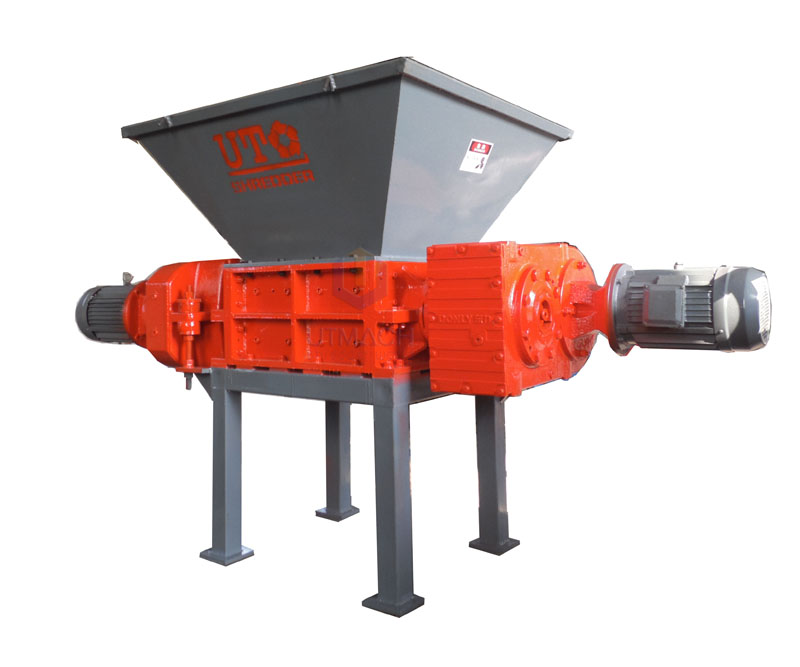
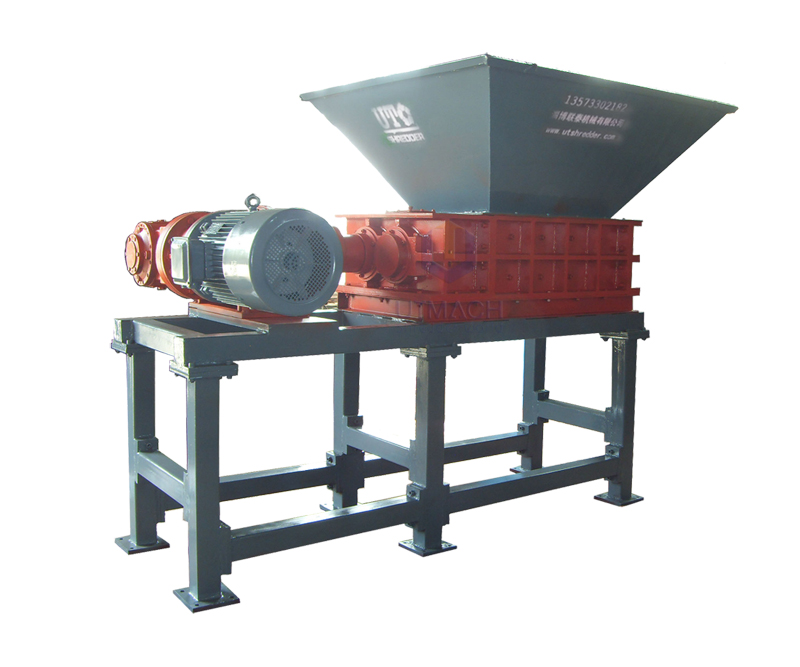
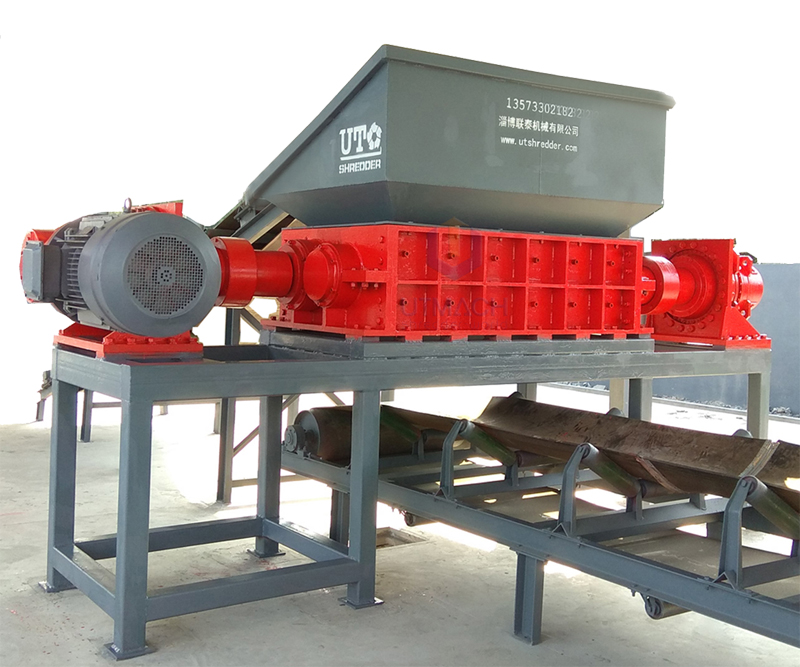
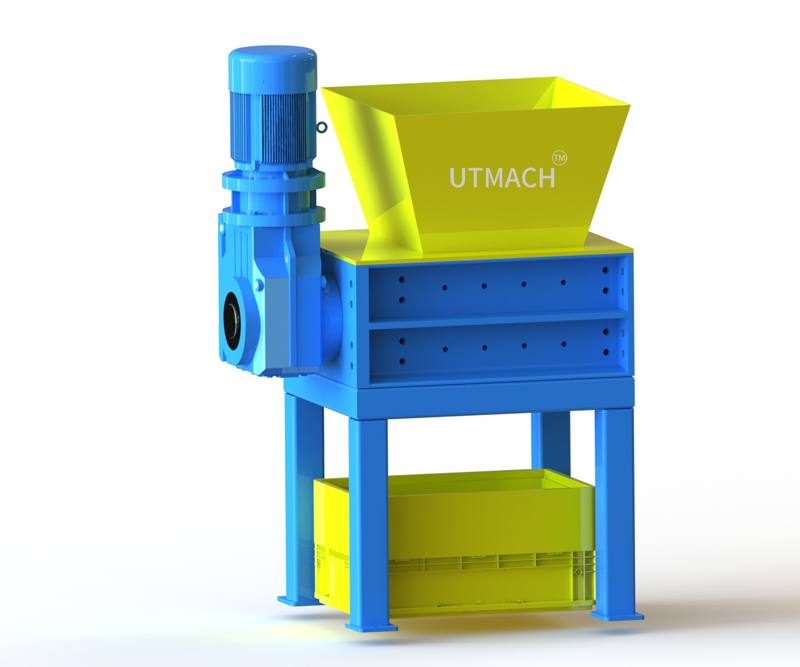
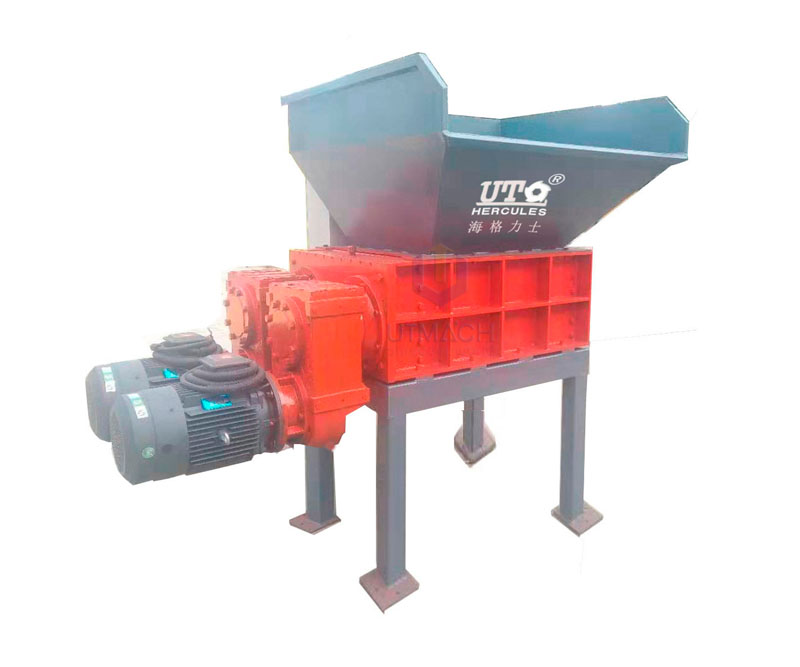
The Non-Drum Grinder uses a double-shaft, low-speed and high-torque grinding structure. It can be installed in wastewater environments to cut and reduce solid debris in wastewater and sludge.
It can be applied in wastewater treatment plants, waterworks, storm pumping stations and inlet channels.
Different models can be selected according to project flow rate, solid composition and installation conditions.
2) Single-Drum Grinder
The Single-Drum Grinder combines a drum structure with a grinding mechanism.
When wastewater enters the equipment, the drum intercepts and guides larger solid debris toward the cutting area for size reduction, while water and smaller materials continue through the corresponding flow area.
This configuration is suitable for wastewater applications where both water flow and solid debris processing need to be considered.
3) Double-Drum Grinder
The Double-Drum Grinder combines two drums with a grinding mechanism to intercept, guide and reduce larger solid debris in wastewater.
The specific equipment model should be determined according to wastewater flow rate, channel dimensions, solid composition and site installation conditions.
4) Pipeline Grinder
The Pipeline Grinder is mainly used to reduce solid debris directly within pipeline systems and can be configured according to the installation conditions of pipelines and pumping systems.
For projects with limited installation space or applications requiring solids size reduction directly within a pipeline, a suitable pipeline grinder can be selected according to actual operating conditions.
5. How to Select the Right Wastewater Grinder?
Selecting a wastewater grinder should not be based on a single parameter. Before choosing the equipment, several project conditions should be confirmed.
1) Wastewater Flow Rate
Different wastewater treatment projects have different design flow rates. Flow rate is one of the key parameters used to determine the appropriate grinder model and specification.
2) Type of Solid Debris
The main types of solids in the wastewater should be identified, such as textiles, plastics, wood, paper and rubber.
The size, toughness and tendency of different materials to become entangled may affect the required equipment configuration.
3) Installation Method
It is important to determine whether the grinder will be installed in an open channel, inlet well, pumping station or pipeline system.
Different installation environments may require different grinder structures.
4) Channel or Pipeline Dimensions
Channel width and depth, pipeline diameter and available installation space are important factors in equipment selection and structural design.
5) Downstream Equipment Requirements
A wastewater grinder is one part of the overall wastewater treatment process. Therefore, the operating requirements of downstream pumps, pipelines and other treatment equipment should also be considered.
For wastewater grinder selection, it is recommended to evaluate:
Wastewater Flow Rate + Solid Debris Type + Installation Method + Channel or Pipeline Dimensions + Downstream Equipment Requirements
6. Why Should Wastewater Grinder Selection Not Be Based on Flow Rate Alone?
Wastewater flow rate is an important selection factor, but it is not the only one.
Liantai Machinery offers wastewater grinders in multiple models and flow-rate specifications. However, actual processing capacity may also be affected by the type, quantity and composition of solid debris, as well as site operating conditions.
The specifications in Liantai Machinery's Wastewater Grinder catalog also state that grinder capacity can be influenced by material composition and that specifications should be confirmed according to actual project requirements.
Therefore, even when two projects have the same wastewater flow rate, different solid compositions, installation environments or downstream requirements may require different equipment structures and configurations.
The grinder model should be selected based on the actual operating conditions of each project.
7. Liantai Machinery Wastewater Grinders
Zibo Liantai Machinery Co., Ltd. provides wastewater grinders and related equipment for processing solid debris in wastewater systems.
The current product range includes Non-Drum Grinders, Single-Drum Grinders, Double-Drum Grinders, Pipeline Grinders and Sludge Grinders, with equipment selection and configuration available according to different wastewater treatment applications.
For project selection, equipment can be configured according to information such as:
· Wastewater flow rate
· Type of solid debris
· Channel or pipeline dimensions
· Installation method
· Site conditions
· Downstream equipment requirements
Liantai Machinery holds ISO certification, relevant equipment can be supplied with CE certification, and the company serves customers in Europe, the United States and other overseas markets.
For specific models and technical parameters, actual processing capacity may vary depending on material composition and operating conditions. Equipment configuration should therefore be confirmed according to actual project data.
FAQ | Wastewater Grinder Frequently Asked Questions
Q1: What is a wastewater grinder?
A wastewater grinder is equipment used to process solid debris in wastewater and sludge systems. Its cutters reduce larger solids into smaller particles so that the reduced material can continue with the water flow into downstream treatment processes.
Q2: What types of debris can a wastewater grinder process?
Depending on equipment configuration and operating conditions, wastewater grinders can process textiles and fibrous materials, plastics, wood, paper, rubber and other suitable solid debris in wastewater.
Q3: Why are wastewater grinders used in sewage pumping stations?
Large solids and easily entangled materials in wastewater may affect the operation of pumps and pipelines. Front-end cutting and size reduction can help reduce the risk of clogging and entanglement in downstream systems.
Q4: What is the difference between a Non-Drum Grinder and a Drum Grinder?
A Non-Drum Grinder mainly uses a double-shaft grinding mechanism to cut and reduce solid debris. Single-Drum and Double-Drum Grinders add drum structures to intercept and guide larger solids toward the cutting area. The appropriate type should be selected according to wastewater flow rate, solid composition and installation conditions.
Q5: What information is required to select a wastewater grinder?
It is recommended to provide the wastewater flow rate, type of solid debris, channel or pipeline dimensions, installation method, site conditions and downstream equipment requirements to determine a suitable model and configuration.
Q6: Can Liantai Machinery provide customized wastewater grinders?
Yes. Liantai Machinery can select and configure wastewater grinders according to wastewater flow rate, solid composition, installation environment, channel or pipeline dimensions and specific project requirements.
Tel: +86-18653354363
Email: info@utmach.com